Most diaries start too late. They begin in the January you decide to be organised, and everything before that stays a blur of half-remembered years. But if you have ever kept a letter, a postcard, or a birthday card with a paragraph squeezed inside it, you already have a diary. It is simply written in someone else's hand and filed in a shoebox instead of a notebook. Using it is a matter of learning to read it as a prompt rather than as a keepsake.
Why correspondence makes such good diary material
A letter is dated. It names places, people and small domestic facts — the weather, a broken boiler, a dog that would not sleep. These are exactly the details diary entries tend to miss when we write from memory alone, because memory keeps the shape of an event and discards the texture. A letter also tells you what was actually in your head at the time, which is better evidence than anything you can reconstruct twenty years later.
Correspondence also has edges. A postcard sent from Scarborough in August gives you a day, a place and a mood. That is enough to hang an entry on. Vague recollection gives you nothing to hold.
Before you write: gather and sort
Resist the urge to begin with the most emotionally loaded letter you own. Start with something ordinary — a note about a missed train, a card thanking you for lunch.
- Group by writer first, then by year. A pile from one person often reads as a continuous story, which is far easier to write from than a jumble of mixed dates.
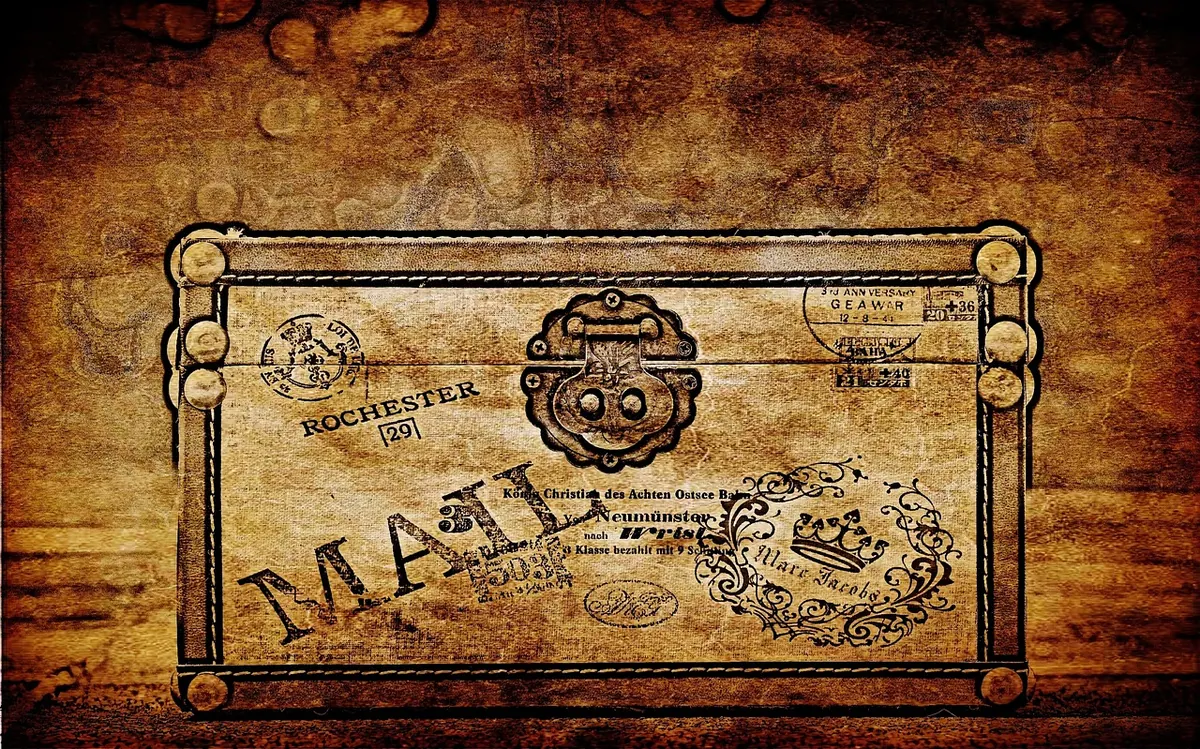
- Read the postmarks, not just the words. The stamp and the franking mark often carry the date and place the sender forgot to mention.
- Keep a running index. A single sheet of paper listing date, sender and one-line summary will save you hours later, and stops you rereading the same three letters.
- Work in short sittings. Forty minutes is plenty. Correspondence is dense with feeling, and fatigue makes everything read the same.
- Photograph anything brittle. A phone snap of a fragile letter means you can handle the image freely and leave the original alone.
Read with a pen in your hand
The first pass is for enjoyment. The second pass is for material. As you reread, note anything concrete:
- Dates, days of the week, times of day.
- Place names, street names, the name of a pub or a shop.
- Weather — rain, heat, a late frost.
- People and animals, including the ones you had forgotten.
- Money, prices and small purchases.
- Complaints, jokes and phrases the writer used repeatedly.
- What is conspicuously absent. A letter full of cheerful news that never mentions a person you know was ill tells you something.
That last item is where the best entries come from. Letters are written for a reader, so they leave things out, and the gaps are often the real story of the year.
Turning one letter into a full entry
Twenty minutes is enough for one piece of correspondence. The order matters, because rereading too early overwrites your own memory with the sender's version of events.
- Write the heading first. Date of the letter, sender, place. If you keep a paper diary, copy the opening line beneath it as a quotation to anchor the page.
- Write what you remember before you reread. Not the contents of the letter — the day it arrived, where you were, what you were doing when you opened it. This is the part that will otherwise vanish.
- Now reread and add. Note anything the letter contains that you had not thought of, and anything it contradicts. If you remember the summer as sunny and the letter mentions flooding, say so.
- Write two or three lines to yourself. What you know now that you did not know then. Keep it plain: "She died the following spring. I still have the seed packet she sent with this."
- Stop. A good entry on one letter beats a thin summary of fifty.
Postcards need a different approach
A postcard rarely says much, so do not lean on the message. Lean on the picture. Describe the image in your own words, then write about the day the card arrived — where it sat on the hall table, who read it first, whether you wrote back. The received day is usually more vivid than the sent day, and it is the one nobody else will ever have recorded.
When the correspondence is difficult
Some letters you will not be able to read in one go, and some you may never want to read at all. Both are allowed. If a letter is painful, set a limit before you open it: one page, one sitting, then put it away. Writing about it in the third person — "she wrote to him in March" — can give you enough distance to get the facts down without reliving the whole thing. If reading old correspondence brings up grief or distress that does not settle, it is worth talking it through with a doctor, a counsellor or someone you trust.
Looking after the originals while you work
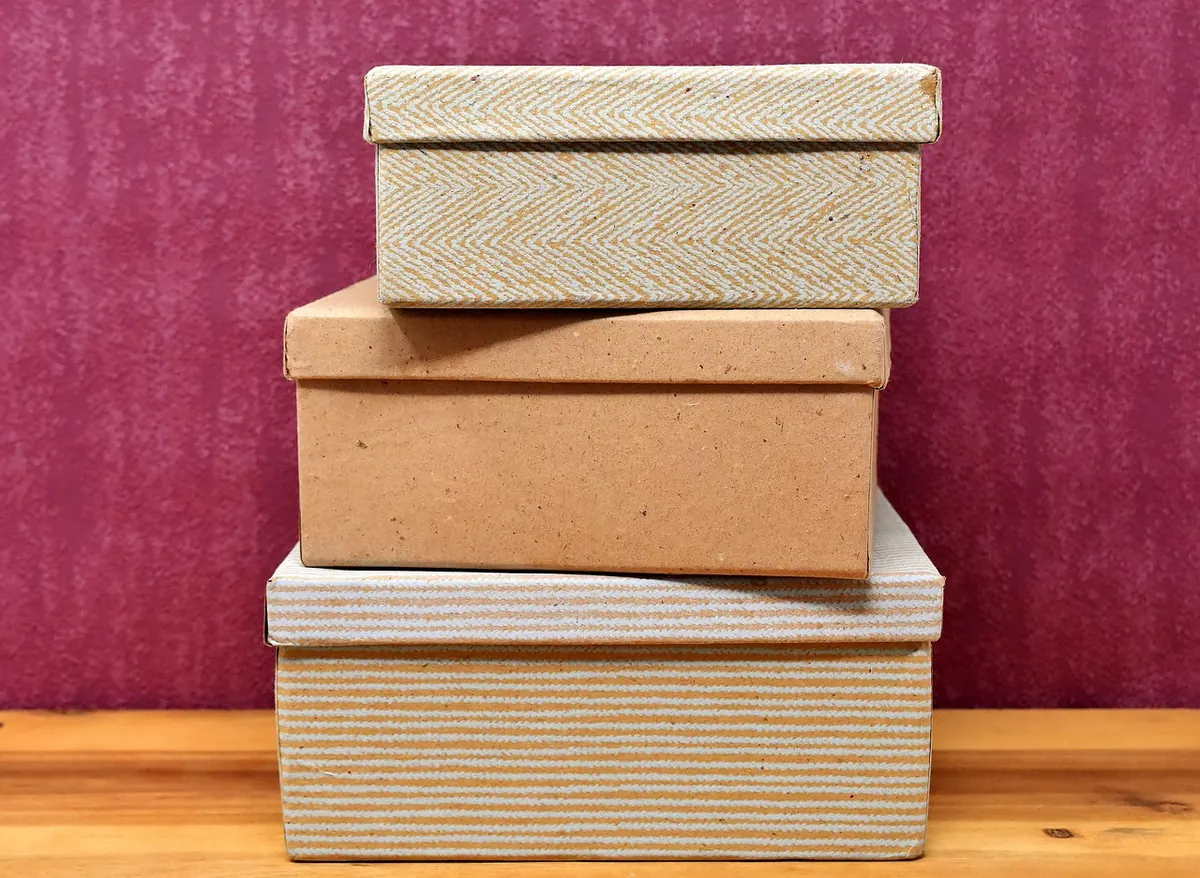
Handle letters with clean, dry hands and keep them out of direct sunlight. Store them flat in a box rather than folded, and avoid sticky tape, adhesive labels and laminating, all of which cause damage over time. Ordinary paper clips leave rust marks; use acid-free folders or plain paper envelopes if you want to separate bundles. If something is genuinely valuable or historically significant, ask an archivist at your local record office for advice before you do anything to it.
Making it a habit
You do not need to process the whole shoebox. Set aside one evening a month, take out a single letter or postcard, and write the entry it deserves. Keep the index going so you can see what you have covered. Within a year you will have thirty or forty entries that no other diarist has — not a summary of your life, but the actual sound of it.
Start with the easiest one. Read it twice, once for pleasure and once for detail, then write the day it arrived.
Photo: Alexas_Fotos / Pixabay